Are Charcoal Toothpastes Safe? Dentist-Approved Truth vs Marketing Hype
That jet-black toothpaste on the drugstore shelf promises a whiter smile with nothing but “natural” ingredients. It’s a tempting pitch, and patients ask about it all the time. Hawthorn Dental St Charles wants to give you a dentist opinion on charcoal toothpaste in St Charles, MO, so you can decide what goes on your toothbrush based on facts. Charcoal toothpaste can scrub away some surface stains, but the trade-offs are real, and the research behind it is thin. Here’s what our team wants you to know before you buy another tube.
What Is Charcoal Toothpaste?
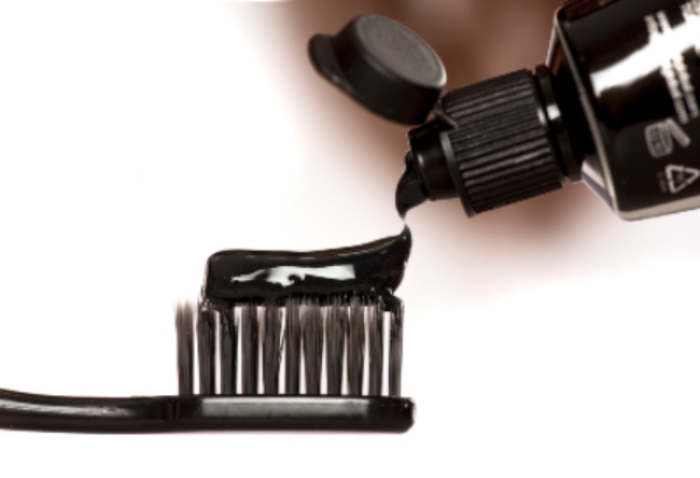
Charcoal toothpaste gets its color from activated charcoal, a fine powder made by heating carbon-rich materials at very high temperatures. In toothpaste, the charcoal is usually mixed with abrasives like hydrated silica, along with glycerin, sweeteners such as xylitol, and flavoring oils. What’s often missing is fluoride. Many charcoal formulas skip it entirely to market as “chemical-free,” and that’s one of the biggest problems we see.
What Claims Do Charcoal Toothpaste Brands Make?
The packaging and social media ads paint a pretty picture. These are the claims we hear about most often:
- It whitens teeth naturally by lifting coffee, tea, and wine stains.
- It pulls toxins and bacteria out of your mouth.
- It freshens breath by absorbing odors.
- It’s a safer, chemical-free alternative to regular whitening toothpaste.
Some of these hold a grain of truth. Charcoal is gritty, so it can polish off surface staining. But “detoxing” your mouth isn’t a real clinical concept, and charcoal doesn’t distinguish between harmful compounds and the helpful minerals your teeth need.
Activated Charcoal Toothpaste: Benefits and Risks
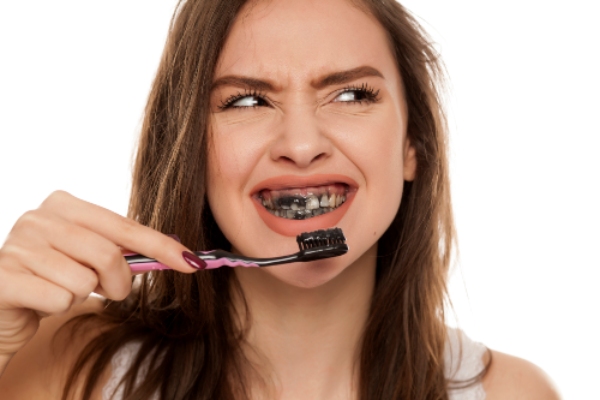
When we weigh activated charcoal toothpaste benefits and risks side by side, the benefits column stays short. Yes, you may notice your teeth look a little brighter after a week or two. That change comes from abrasion removing stains on the outer surface, not from any change in your teeth’s actual color. The risks column is longer and harder to reverse. Here are the side effects of charcoal toothpaste we watch for in our patients:
- Enamel wear from repeated scrubbing with an abrasive powder
- Increased tooth sensitivity as enamel thins and dentin shows through
- Gum irritation from gritty particles working along the gumline
- Dark specks trapped in cracks, around fillings, or at the edges of crowns and veneers
- Higher cavity risk when the formula contains no fluoride
Charcoal Toothpaste for Teeth Whitening: Safe or Not?
Occasional use probably won’t ruin a healthy mouth, but we don’t recommend brushing with it daily. The longer you use it, the more those side effects of charcoal toothpaste add up, and lost enamel doesn’t grow back.
Some people should avoid it altogether. If you already have sensitive teeth, gum recession, bonding, veneers, or tooth-colored fillings, charcoal can make existing problems worse or leave stubborn staining on your dental work.
How to Choose a Safe Whitening Toothpaste
You don’t have to give up on a brighter smile. The solution is choosing a product that cleans effectively without sanding down your enamel. When you’re standing in the toothpaste aisle, a few quick checks will tell you a lot:
- Look for the ADA Seal of Acceptance on the box.
- Confirm that fluoride is listed as an active ingredient.
- Choose formulas made with gentle abrasives or low-concentration peroxide.
- Skip anything that uses words like “detox” without backing up the claims.
If you want more than surface stain removal, professional whitening is the more reliable path. Our in-office and take-home whitening options offer results that last far longer than any toothpaste. Because we examine your teeth first, we can also account for sensitivity, existing restorations, and the type of staining you have.
FAQs
Is charcoal toothpaste effective for whitening? Only to a limited degree. Charcoal can remove some surface stains, which may make teeth look slightly brighter. It doesn’t reach deeper stains or change the natural shade of your teeth, so results are modest and tend to plateau quickly.
Does charcoal toothpaste damage enamel? It can. Charcoal is abrasive, and brushing with it regularly can wear down enamel over time. That’s the most common concern in any dentist opinion on charcoal toothpaste, and it’s why we suggest saving it for occasional use, if you use it at all.
Can I use charcoal toothpaste alongside my regular toothpaste? Some people alternate, using charcoal once or twice a week and a fluoride toothpaste the rest of the time. That approach lowers the risk, but it still offers little benefit compared to an ADA-accepted whitening toothpaste.
What’s the fastest safe way to whiten my teeth? Professional whitening supervised by a dentist works fast and protects your enamel. We can walk you through both in-office and at-home options during your next visit.
Get a Brighter Smile the Safe Way at Hawthorn Dental St Charles
Your enamel has to last a lifetime. If you’ve been using charcoal toothpaste and want to know whether it’s affected your teeth, or if you’re ready for whitening that delivers, we’d love to help. Schedule a whitening consultation with Dr. Sally Ayoob, and we’ll check your enamel, review the activated charcoal toothpaste benefits and risks for your smile, and build a whitening plan you can feel good about.